A coil is round. The container is not.
A coil wants to roll, and every mode of transport gives it a different reason: rough seas, braking, shunting impact. So in the container it is blocked and braced — timber cut, wedged, nailed, new for every trip.
On rail and road, the answer is special equipment: coil trough, special coil wagon, trough truck. Built for one load, in short supply, empty on the way back.
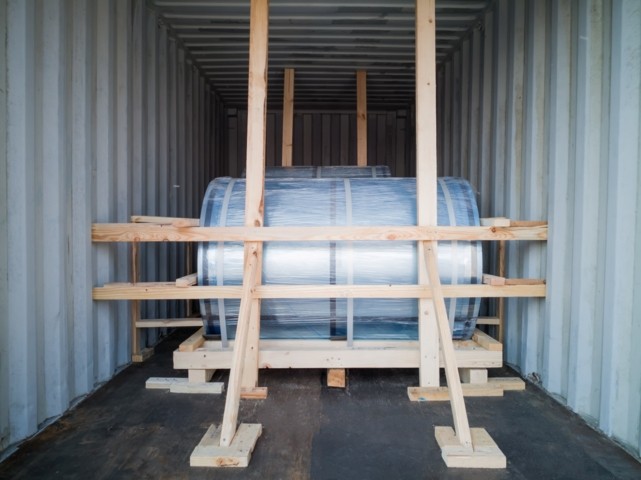
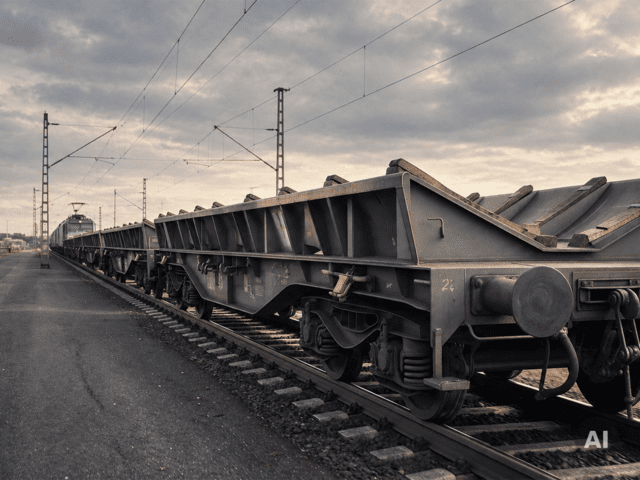
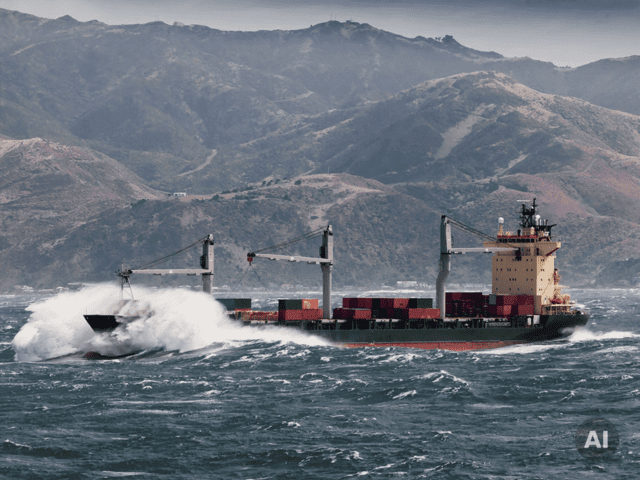
Six shells, a few spacers, fifteen minutes.
At most six quarter shells per container, plus spacers matched to the number and diameter of the coils. The modules arrive ready to use and are placed by hand, without tools and without special skills. Fifteen minutes instead of sixty - demonstrated at the customer, not calculated.
The container is spared as well. The shell is recessed in the middle and directs the load to where the container floor carries it. In the expert inspection, that was exactly the question.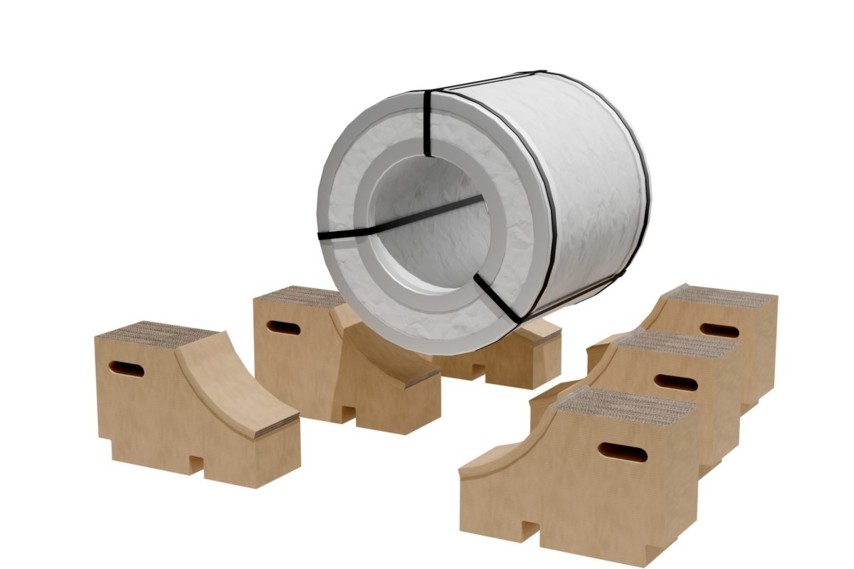
Give us diameter, weight and route. We will calculate your container.
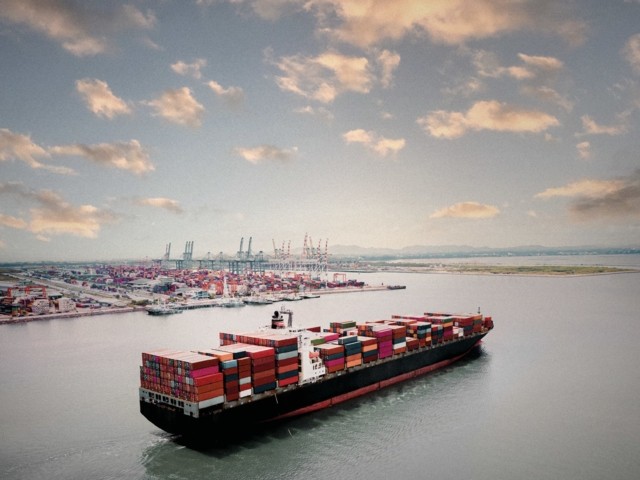
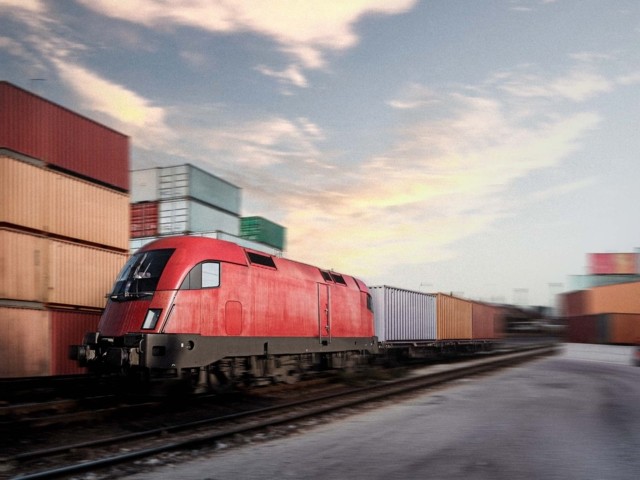
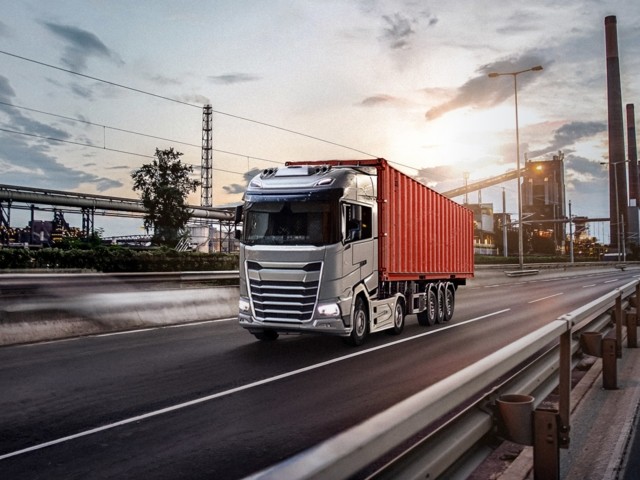
Coils out, scrap back.
With wellDun, a coil may travel in a scrap container. Braced with timber, that is not permitted. So the same container travels loaded in both directions instead of full one way and empty the other.
Where a return trip does not pay off, there is a second product line: lighter in design, up to 16 tonnes, for by far the largest share of all coils. It replaces timber dunnage too and goes into paper recycling at the destination.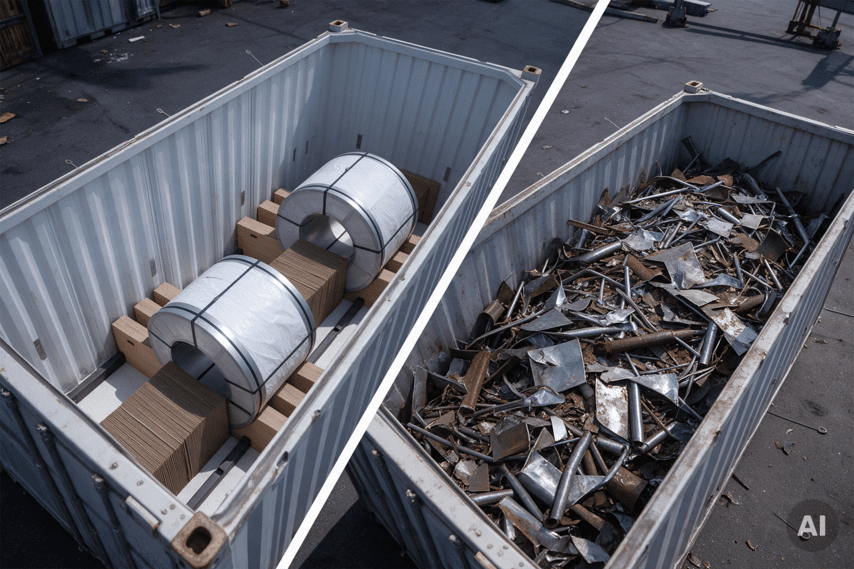

Why the board carries.
Flute direction, layer build-up, load path: how paper becomes a component for 30 tonnes.
What it is tested to.
CTU Code, UIC regulations, VDI 2700 ff. - three rulebooks for three modes of transport.
Tell us what you load.
Coil diameter, weight, container, route. From this we design the system, provide the proof for your route and support the first loading at the plant. What runs after that runs without us.